
Live or Die: Survival Pro
Not Found GamesAdventure
4.32.47K Reviews
- Version
- 0.5.91
- Installs
- 10.00M
- Age Rating
- Teen
Screenshots
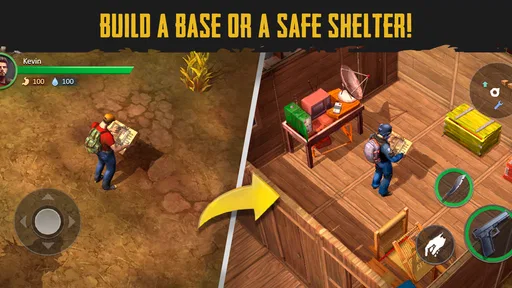
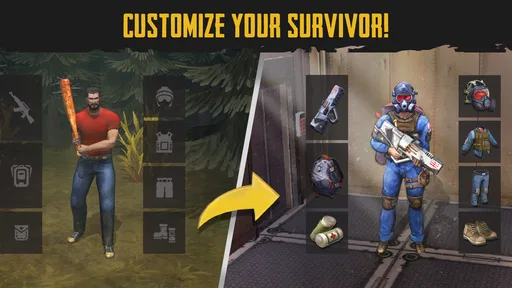
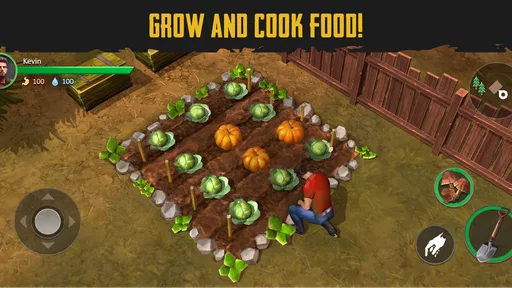
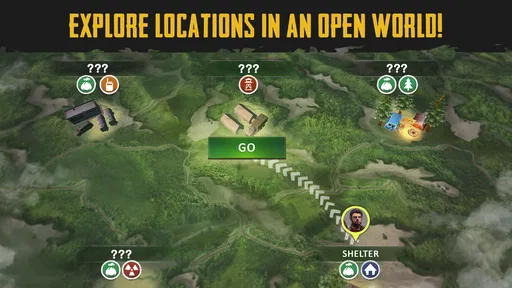
Our Review of Live or Die: Survival Pro
 Analysis by Appyee
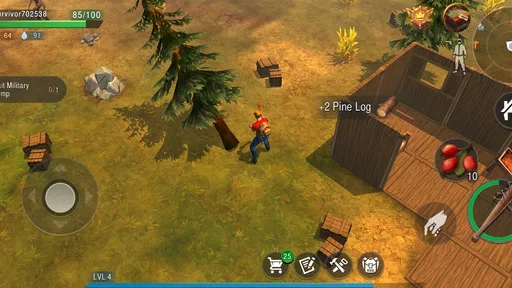
Survival games often promise danger, but Live or Die: Survival Pro makes that danger feel like a daily routine you have to manage carefully. I played it as a mobile adventure game built around surviving a zombie apocalypse, and what stood out to me was how quickly simple decisions become expensive. Walking a little farther, carrying one extra item, or fighting instead of avoiding trouble can change the entire rhythm of a session.
The basic idea is easy to understand: gather what you can, protect yourself, improve your situation, and stay alive long enough to make progress. The difficulty comes from balancing those goals on a small screen, where every trip has a cost and every mistake can interrupt the next plan. That makes it more demanding than a casual zombie game, but also more satisfying when a carefully prepared run works.
Not Found Games places the title in the adventure category, although its strongest identity comes from survival management. It is available for Android devices running version 7.0 or later, and the game is aimed at Teen players. The current version is 0.5.91, while its release date was October 3, 2018. Those details matter because this is a long-running mobile survival experience rather than a brand-new experiment.
How I approached each survival run
I approach each outing with one clear purpose, because trying to gather, explore, and fight all at once makes survival harder to manage. That routine also gives me a useful way to judge whether a run went well: not by how long I stayed out, but by whether I brought back what I needed without risking everything. From there, it helps to look at how the game’s current version fits into its longer history.
The first priority is building a repeatable routine
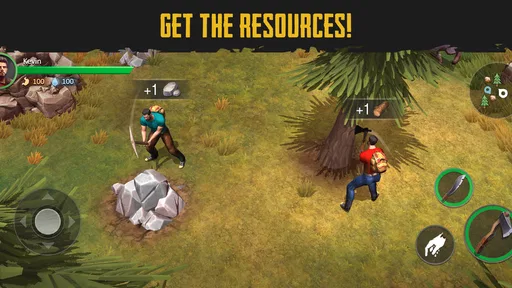
My most reliable opening was to stop treating every location as an opportunity to grab everything. Early survival games encourage hoarding, but carrying too much makes the next decision harder. I found it more useful to decide what the trip was for before leaving: collecting basic materials, looking for equipment, or pushing into a more dangerous area. That small habit reduced wasted movement and made each return feel intentional.
A good baseline workflow is simple. I checked what I already had, chose one immediate goal, left with enough room for useful finds, and returned before the run became a desperate escape. This approach is less exciting than wandering until something happens, but it creates a dependable loop. Once I knew what I needed, I could judge new items quickly instead of stopping to reconsider every piece of loot.
The game is at its best when preparation matters. A short trip can become a problem if I leave without enough room, protection, or a clear reason to continue. I learned to treat the home area as a staging point rather than merely a place to drop items. Sorting supplies before departure helped me see whether I was actually ready or simply eager to explore.
That is also where the game separates itself from lighter zombie alternatives. In many mobile action games, the answer is to keep moving and defeat whatever appears. Here, avoiding an unnecessary confrontation can be the smarter choice. I enjoyed that tension, though players who want constant combat may find the slower planning less entertaining.
Everyday use case: a short session after work
This is not a game I would recommend only for long evening sessions. I found it workable in short bursts, provided I started with a narrow objective. For example, after work I could spend a session preparing supplies, making one focused outing, and returning to organize the result. That structure gave me a sense of progress without requiring me to remain online or play aimlessly.
The important part is ending on a stable position. I preferred finishing after returning safely rather than stopping in the middle of a risky expedition. That way, the next session began with a clear inventory and a known task. It also reduced the frustration of forgetting what I had been doing and making a poor decision simply because I was trying to resume quickly.
Players who enjoy methodical games will recognize the appeal. The reward is not only finding something valuable; it is creating a routine that makes the next outing safer. Players looking for a quick arcade match, however, should probably choose a more direct action game. The pacing here asks for attention even when very little appears to be happening.
Settings and controls worth checking before going far
I recommend spending a few minutes checking the available settings before committing to serious exploration. The useful question is not whether a setting looks impressive, but whether it makes repeated actions easier to read and control on your particular phone. Screen size, touch sensitivity, and the way you hold the device can change how comfortable movement and interaction feel.
I also found it wise to test controls during a low-risk outing. That lets you learn the rhythm of movement, interaction, and combat without turning an important expedition into a control experiment. If an action feels awkward, changing your grip or adjusting the relevant option before carrying valuable supplies is far better than discovering the problem while surrounded by danger.
Sound deserves practical attention too. Audio can make a tense session more readable, but it is not always convenient in public or during a short break. I often played with reduced sound when I needed to stay discreet, then used a quieter environment when I wanted to concentrate. The trade-off is that a more relaxed setup can make it easier to miss the mood and urgency the game is trying to create.
Another useful check is how the game behaves on your device during longer sessions. I would not assume that the same experience will feel identical on every Android phone. A player with a smaller display may need more patience with touch inputs, while someone on a larger screen may find navigation more comfortable. Testing before spending the in-game currency or taking a valuable loadout is a sensible precaution.
Faster patterns that improved my decisions
My biggest improvement came from separating gathering trips from combat trips. Combining both sounds efficient, but it often creates a messy inventory and a higher chance of losing the purpose of the outing. When I gathered, I focused on returning with useful materials. When I explored a dangerous area, I prepared for the possibility that the trip would consume supplies rather than produce a large haul.
I also started using a simple “leave one slot open” rule whenever possible. It sounds minor, but an entirely full inventory makes new discoveries awkward. Keeping a little space allowed me to react to unexpected finds instead of immediately choosing what to discard. This is one of those habits that does not appear in a short store description, yet it changes how calmly the game feels.
Another effective pattern was to keep a small emergency reserve at home. I stopped spending every useful item as soon as I obtained it. Saving enough for an unplanned recovery or a necessary follow-up trip gave me more flexibility. The reserve was not about being overly cautious; it prevented one bad expedition from forcing a complete restart of my plans.
I found that returning early is often a form of progress rather than failure. A player may feel pressure to make every trip profitable, but a safe return protects the time already invested. This is especially important when the outing has already delivered its main objective. Continuing just because there is still room to explore is how a controlled run turns into an avoidable loss.
For new players, I would suggest choosing one improvement at a time. Trying to upgrade everything at once spreads resources too thin and makes it difficult to understand what actually helped. I had better results when I identified the obstacle causing the most trouble, then prepared specifically for that obstacle on the next run.
Where the survival system becomes demanding
The game’s friction comes from the gap between what I want to do and what I can safely afford to do. Exploration is attractive, but preparation takes time. Combat can solve an immediate problem, yet it may leave me less ready for the next one. That push and pull is the heart of the experience, although it can feel repetitive if I am not setting personal goals.
There is also a real difference between learning the game and enjoying its long-term loop. At first, each decision feels meaningful because I am discovering what works. Later, the routine becomes more deliberate. Experienced players may enjoy optimizing routes and reserves, while others may feel that repeated preparation slows down the adventure.
The listed purchase price is $0.99, and optional in-app purchases range from $0.99 to $129.99 per item. I would keep that pricing structure in mind before recommending it to anyone who dislikes mobile monetization. The low entry price makes trying the game straightforward, but optional purchases can still affect how comfortable the progression feels for players who are tempted to spend when a run goes badly.
My advice is to decide on a spending boundary before playing seriously. Do not treat a difficult expedition as a reason to buy something immediately. First ask whether the problem came from poor preparation, an overloaded inventory, or pushing too far. In my experience, changing the routine usually teaches more than paying to remove the consequence of a mistake.
Advanced limits and who should skip it
One limitation is that the game does not hide its repetition. Survival depends on returning to familiar tasks, and the satisfaction comes from making those tasks more efficient. If you need constant new scenery, fast narrative progression, or a steady stream of dramatic encounters, this may feel too restrained. A more story-driven adventure would likely suit you better.
I would also hesitate to recommend it to players who want a purely relaxing experience. Even a short session can require attention because a careless choice may affect the next outing. The Teen rating is a useful signal that the atmosphere and survival pressure are not designed as a gentle children’s game.
On the other hand, it fits players who enjoy planning under pressure. Fans of mobile survival games will find a familiar foundation, but the game rewards restraint more than mindless aggression. Compared with a conventional zombie shooter, it offers less immediate action and more responsibility for preparation. Compared with a minimal crafting game, it has a stronger sense of danger because the cost of a poor decision is felt across the next steps.
The audience size suggests that the formula has broad appeal: the game has passed ten million installs, with an average rating of 4.3 from roughly one hundred two thousand ratings and about two thousand five hundred written reviews. I see those numbers as evidence that the basic survival loop connects with many mobile players, not as a guarantee that its slower rhythm will suit everyone.
What mastery actually looks like
For me, mastery is not carrying the maximum possible load or taking the most dangerous route. It is knowing why I am leaving, what would make me turn back, and which supplies I am unwilling to risk. Once those answers became automatic, the game felt less like a sequence of emergencies and more like a series of manageable decisions.
The strongest advanced habit is reviewing a failed run without blaming luck immediately. I asked whether I had mixed too many objectives, spent an emergency item too early, or continued after completing the main task. That review turned mistakes into a practical checklist. It also made progress feel more personal because I was improving my process, not merely waiting for better equipment.
I recommend using the current version, 0.5.91, on a compatible device and giving the game enough time to reveal its rhythm before judging it. A few minutes of random movement will not show its best qualities. The game becomes clearer when you plan a trip, accept a limitation, and return with a result that supports the next decision.
My final view is positive, with an important condition: Live or Die: Survival Pro is strongest when you enjoy preparation as much as discovery. I liked its pressure, its careful inventory decisions, and the way small habits improved my survival chances. I liked it less when I wanted immediate action or a completely frictionless session.
At $0.99, it is an accessible adventure game for anyone curious about mobile zombie survival, but the optional purchase range means I would approach spending carefully. If you enjoy building repeatable routines, checking your choices, and making each expedition count, I think it is worth trying. If you prefer a straightforward shooter or a story that keeps moving without repeated resource management, another option will probably be a better match.
After playing it with that expectation, I would recommend Live or Die: Survival Pro to patient players who want a survival loop they can gradually refine. Its best moments come from habits that seem small—leaving space, saving a reserve, separating objectives, and turning back at the right time—but those habits are exactly what make the apocalypse feel personal rather than automatic.
Verdict
Strengths of Live or Die: Survival Pro
- Large open world with varied locations to explore and loot.
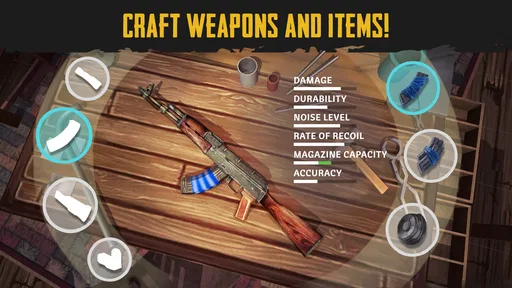
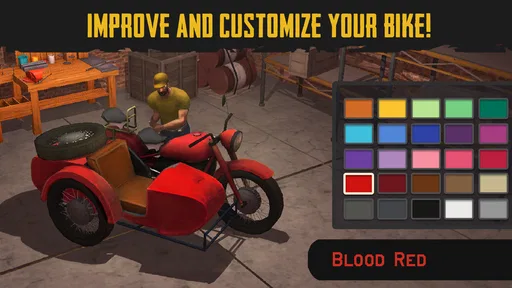
- Crafting system lets you create weapons, tools, armor, and shelters.
- Regular challenges and events add variety beyond basic survival.
- Offline play is available for many core gameplay features.
- Progression rewards experimentation with different survival strategies.
Limitations of Live or Die: Survival Pro
- Frequent resource gathering can become repetitive over longer sessions.
- Some upgrades and items may require substantial grinding.
- Combat controls can feel imprecise during encounters with several enemies.
- Inventory space fills quickly, forcing frequent trips back to storage.
- Battery usage can be high during extended gameplay sessions.
Other Releases by Not Found Games
View All
Survival Island: Evolve Pro
Adventure3.6
Similar Picks in This Category
View All
Roblox
Roblox Corporation4.2

Pokémon GO
Niantic, Inc.3.5

Ninja warrior: legend of adven
TOH Games4.6

Ninja Arashi
Black Panther4.6

Eyes - The Horror Game
Fearless Games sp. j.4.5

Critical Action:Gun Strike Ops
FPS Shooter & Action Game4.3
Frequently Asked Questions
What is Live or Die: Survival Pro about?
Live or Die: Survival Pro is a post-apocalyptic survival game for mobile devices. You explore a dangerous world, collect resources, craft tools and weapons, build and improve a shelter, and defend yourself against zombies and other threats. Progress depends on managing hunger, health, equipment durability, and limited materials while gradually unlocking new locations and crafting options.
Can I play Live or Die: Survival Pro offline?
The game may allow some survival and crafting activities without a constant internet connection, but several features can depend on online services. Events, advertisements, cloud-related functions, updates, purchases, and certain account features may require internet access. If offline play is important to you, it is best to test the game after installation and check its current store description, since requirements can change with updates.
Is Live or Die: Survival Pro free to download and play?
Live or Die: Survival Pro can generally be downloaded without an upfront purchase, but free access does not necessarily mean that every item or feature is available at no cost. Progress may include optional in-app purchases, rewarded advertisements, or premium resources that speed up crafting and recovery. Players who prefer a completely uninterrupted experience should review the purchase settings before starting.
Is Live or Die: Survival Pro suitable for children?
The game is mainly aimed at players who enjoy survival, horror, combat, and post-apocalyptic themes. It includes zombie encounters, weapons, danger, resource pressure, and occasional frightening imagery, so it may not be appropriate for younger children. Parents should check the current age rating, privacy information, advertising practices, and in-app purchase options on the relevant Android or iOS store.
What should new players know before starting Live or Die: Survival Pro?
New players should expect a gradual and sometimes demanding progression system rather than a relaxed building game. Resources are valuable, inventory space can become restrictive, and careless exploration may result in losing equipment or supplies. Start by collecting basic materials, improving your shelter, crafting essential tools, and learning which locations are safe before attempting more dangerous areas or missions.
Play our best games!


